Master Business Japanese Communication for Professionals

Mastering business communication in Japanese opens doors to new opportunities. It helps you build strong relationships and navigate professional settings with ease. Whether you are new to the language or want to improve your skills, this guide offers practical tips and insights to boost your confidence.
Why Business Japanese Communication Matters
Japanese business culture values respect, politeness, and clarity. Using the right language shows professionalism and understanding of local customs. It also helps avoid misunderstandings and builds trust with colleagues and clients.
For example, using keigo (honorific language) correctly is essential. It shows respect to your conversation partner. Simple greetings like ohayou gozaimasu (good morning) and polite phrases like yoroshiku onegaishimasu (please treat me well) set a positive tone.
In meetings, clear and concise language is preferred. Avoid slang or overly casual expressions. Instead, use formal structures and polite verbs. This approach reflects your seriousness and respect for the business environment.

Tips for Effective Business Japanese Communication
Here are some practical tips to help you communicate effectively in Japanese business settings:
Learn Key Phrases
Memorize essential phrases for greetings, introductions, and common business situations. For example, hajimemashite (nice to meet you) and otsukaresama desu (thank you for your hard work).
Use Polite Language
Practice teineigo (polite language) and sonkeigo (respectful language). These forms show respect and professionalism.
Listen Actively
Pay close attention to what others say. Japanese communication often involves subtle hints and indirect expressions. Confirm your understanding by paraphrasing or asking polite questions.
Mind Non-Verbal Cues
Bowing, eye contact, and silence carry meaning. A slight bow shows respect, while too much eye contact can feel aggressive.
Prepare Written Materials
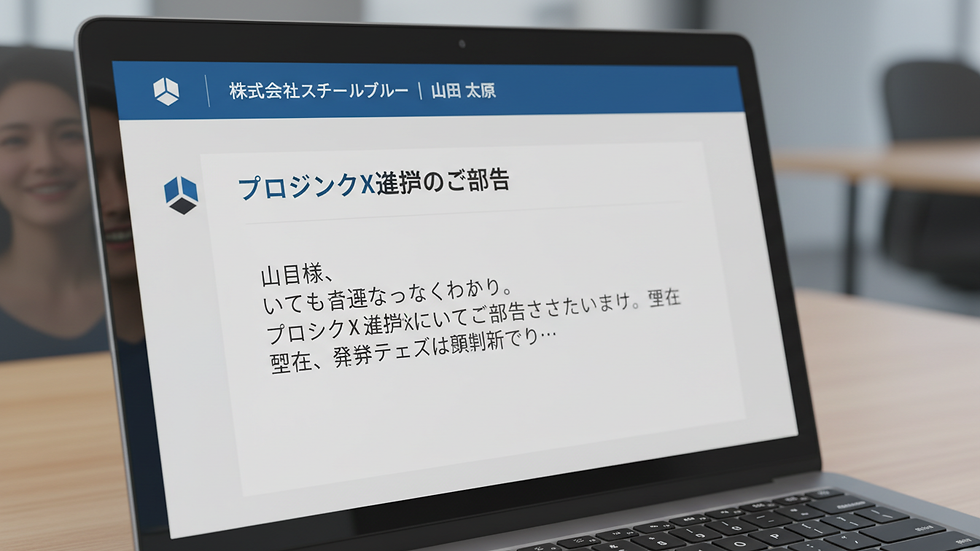
Emails and documents should be clear and formal. Use proper salutations and closings, such as haikei (dear) and keigu (sincerely).
Practice Regularly
Consistent practice helps you internalize phrases and cultural nuances. Role-play business scenarios with a partner or tutor.
By following these tips, you can navigate Japanese business environments with confidence and ease.
How do you say 77777777777777777 in Japanese?
(Skipped as per instructions)
Common Business Japanese Expressions You Should Know
Here are some expressions that come up often in business settings:
お世話になっております (Osewa ni natte orimasu)
Used to express gratitude for ongoing support. It’s a polite way to start emails or conversations.
よろしくお願いいたします (Yoroshiku onegaishimasu)
A versatile phrase meaning "please treat me well" or "I look forward to working with you."
失礼いたします (Shitsurei itashimasu)
Used when entering or leaving a room, or when interrupting someone politely.
ご確認ください (Gokakunin kudasai)
Means "please confirm" or "please check," often used in emails.
お疲れ様です (Otsukaresama desu)
A phrase to acknowledge someone’s hard work, often said at the end of the day or after a meeting.
Using these expressions correctly shows your respect for Japanese business etiquette and helps you communicate smoothly.
Building Confidence in Business Japanese Communication
Confidence comes from preparation and practice. Here are some ways to build yours:
Start Small
Begin with simple greetings and introductions. Gradually add more complex phrases.
Use Language Apps and Resources
Tools like flashcards, language apps, and online courses can reinforce your learning.
Engage in Real Conversations
Practice with native speakers or join language exchange groups. Real interaction helps you adapt to natural speech.
Record Yourself
Listening to your own voice helps identify areas for improvement.
Stay Patient and Positive
Language learning takes time. Celebrate small wins and keep a positive mindset.
By taking these steps, you’ll find yourself more comfortable and effective in business Japanese communication.
Your Next Step in Mastering Business Japanese
Mastering business Japanese communication is a journey. It requires dedication, practice, and cultural understanding. Start by learning key phrases and polite expressions. Practice regularly and seek real-world opportunities to use your skills.
If you want to dive deeper, check out resources that focus on natural, real-world Japanese. For example, business japanese lessons can help you gain fluency and confidence for your professional life.
Remember, every step you take brings you closer to success in Japanese business environments. Keep practicing, stay curious, and enjoy the process of learning this beautiful language. Your efforts will pay off in meaningful connections and career growth.


Comments