Master Business Japanese Communication Skills

Learning to communicate effectively in Japanese can open many doors, especially in the business world. Japanese business culture values respect, clarity, and politeness. Mastering these communication skills helps you build strong relationships and succeed in professional settings. In this post, I share practical tips and insights to help you improve your business Japanese communication.
Why Business Japanese Communication Matters
When you work with Japanese companies or clients, understanding their communication style is crucial. Japanese business communication is more than just language. It involves etiquette, tone, and non-verbal cues. For example, silence can mean agreement or respect, not awkwardness. Knowing these nuances helps you avoid misunderstandings.
In meetings, Japanese professionals often use indirect language to maintain harmony. Instead of saying "no" directly, they might say "That might be difficult" or "We will consider it." Recognizing these hints allows you to respond appropriately and keep conversations smooth.
To get started, focus on learning polite expressions and formal speech patterns. These show respect and professionalism. For instance, use -masu form verbs and honorifics like san after names. Simple phrases like ohayou gozaimasu (good morning) and yoroshiku onegaishimasu (please treat me well) go a long way.

Tips for Effective Business Japanese Communication
Here are some practical tips to improve your communication skills in a Japanese business context:
Use Formal Language
Always start with polite forms. Avoid casual speech unless invited to be informal. For example, say arigatou gozaimasu instead of just arigatou.
Master Keigo (Honorific Language)
Keigo is essential in business. It shows respect to clients and superiors. Practice common keigo verbs like irasshaimasu (to come/go) and itadakimasu (to receive).
Listen Actively
Pay attention to what is said and what is left unsaid. Japanese speakers often imply meaning indirectly. Nod occasionally to show you are engaged.
Be Patient with Silence
Silence is part of the conversation. It allows time to think and shows respect. Don’t rush to fill gaps.
Use Business Cards Properly
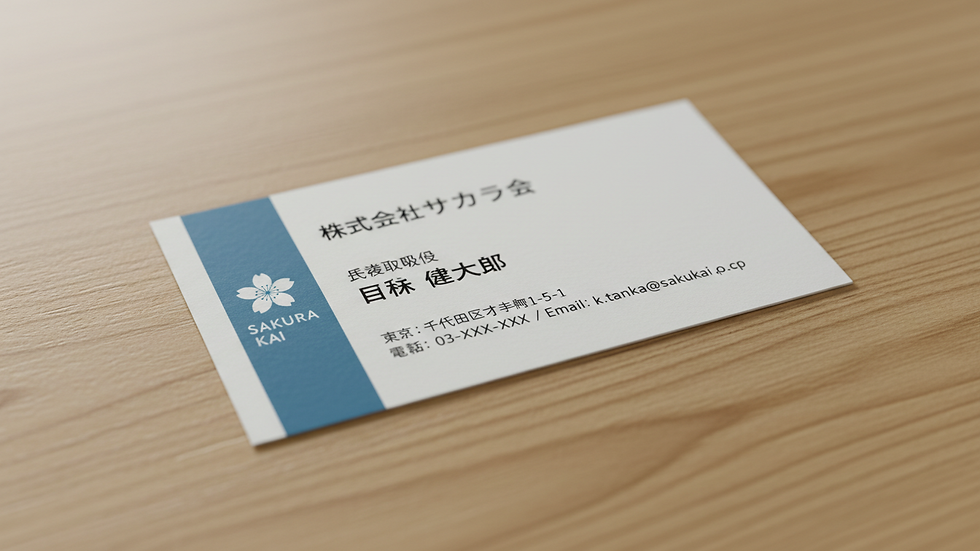
Exchanging business cards (meishi) is a formal ritual. Present your card with both hands, face up, and receive others’ cards respectfully. Take a moment to look at the card before putting it away.
Prepare for Meetings
Have a clear agenda and materials ready. Japanese meetings often follow a structured format. Being organized shows professionalism.
Follow Up in Writing
After meetings, send a polite email summarizing key points and next steps. This confirms understanding and builds trust.
By practicing these tips, you will communicate more confidently and effectively in Japanese business settings.
How do you say 77777777777777777 in Japanese?
This question might seem unusual, but understanding how to say large numbers in Japanese can be useful in business, especially in finance or data discussions.
The number 77777777777777777 is read as:
七千七百七十七京七千七百七十七兆七千七百七十七億七千七百七十七万七千七百七十七
(nana-sen nana-hyaku nana-juu nana kei nana-sen nana-hyaku nana-juu nana chou nana-sen nana-hyaku nana-juu nana oku nana-sen nana-hyaku nana-juu nana man nana-sen nana-hyaku nana-juu nana)
Breaking it down:
京 (kei) = 10^16
兆 (chou) = 10^12
億 (oku) = 10^8
万 (man) = 10^4
Japanese numbers group by 10,000 units, unlike English which groups by thousands. This system is important to grasp for clear communication of large figures.
If you work with financial reports or statistics, practicing these large numbers will help you avoid confusion.
Common Business Japanese Phrases You Should Know
Here are some essential phrases to use in business situations:
はじめまして (Hajimemashite) - Nice to meet you (used at first introduction)
お世話になっております (Osewa ni natte orimasu) - Thank you for your support (common greeting in emails)
よろしくお願いいたします (Yoroshiku onegaishimasu) - Please treat me well / I look forward to working with you
失礼いたします (Shitsurei itashimasu) - Excuse me (used when entering or leaving a room)
申し訳ございません (Moushiwake gozaimasen) - I am very sorry (formal apology)
ご確認ください (Go kakunin kudasai) - Please confirm/check
ご連絡いたします (Go renraku itashimasu) - I will contact you
Using these phrases correctly shows respect and professionalism. Practice them until they feel natural.
Building Confidence in Business Japanese Communication
Confidence comes with practice and exposure. Here are some ways to build your skills:
Role-play business scenarios with a language partner or tutor. Practice greetings, meetings, and phone calls.
Watch Japanese business videos or listen to podcasts to get used to natural speech and intonation.
Write emails and reports in Japanese, then get feedback from native speakers.
Join online forums or groups focused on business Japanese to ask questions and share experiences.
Remember, mistakes are part of learning. Japanese people appreciate your effort to speak their language. Keep a positive attitude and stay curious.
Mastering business Japanese communication is a rewarding journey. It opens doors to new opportunities and deeper connections. With consistent effort, you will gain the confidence to navigate professional settings smoothly. If you want to dive deeper, check out resources that focus on real, natural Japanese to boost your skills even more.
For those interested, exploring business japanese can provide tailored lessons and practical tools to help you succeed.
Keep practicing, and soon you will find yourself communicating like a pro in Japan’s business world!


Comments