Mastering Business Japanese Communication

Communicating effectively in Japanese business settings can open many doors. Whether you are new to the language or have some experience, mastering business Japanese communication is essential. It helps you build trust, show respect, and navigate professional situations smoothly. In this post, I share practical tips and insights to help you communicate confidently in Japanese business environments.
Understanding the Basics of Business Japanese Communication
Business Japanese is different from casual conversation. It uses polite language, formal expressions, and specific etiquette. The key is to show respect and humility while being clear and professional.
Start by learning keigo (敬語), the honorific language. It has three main types:
Sonkeigo (尊敬語): Respectful language used to elevate the other person.
Kenjougo (謙譲語): Humble language used to lower yourself or your group.
Teineigo (丁寧語): Polite language used in general polite speech.
For example, instead of saying "iku" (to go), you say "irasshaimasu" in sonkeigo when referring to someone else. This shows respect.
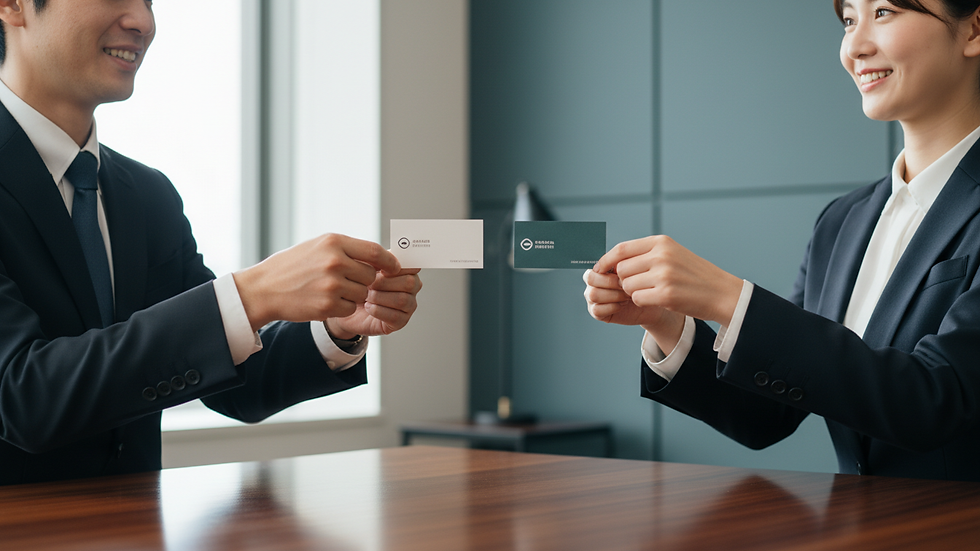
Also, pay attention to business etiquette like bowing, exchanging business cards (meishi), and using formal greetings. These small actions make a big difference in how you are perceived.
Tips for Effective Business Japanese Communication
Here are some practical tips to improve your business Japanese communication skills:
Use polite forms consistently
Always use polite verb endings like "-masu" and "-desu" in business settings. Avoid casual speech.
Prepare set phrases
Memorize common business phrases such as greetings, apologies, and requests. For example:
お世話になっております (Osewa ni natte orimasu) - "Thank you for your continued support."
申し訳ございません (Moushiwake gozaimasen) - "I am very sorry."
Listen carefully and confirm
Japanese communication often involves indirect expressions. Listen for nuances and confirm understanding by repeating or paraphrasing.
Be mindful of silence
Silence is common in Japanese conversations. It shows thoughtfulness, not awkwardness.
Use humble expressions about yourself and your company
This shows respect and builds rapport.
Practice writing formal emails
Emails are a big part of business communication. Use proper greetings, body, and closing phrases.
Learn industry-specific vocabulary
This helps you sound knowledgeable and professional.
By applying these tips, you will communicate more naturally and effectively in Japanese business contexts.
How do you say 77777777777777777 in Japanese?
(Section skipped as per instructions)
Common Challenges and How to Overcome Them
Many learners struggle with the complexity of keigo and the indirect nature of Japanese communication. Here are some common challenges and solutions:
Challenge: Remembering keigo forms
Solution: Practice regularly with flashcards and role-playing. Focus on the most common verbs first.
Challenge: Understanding indirect expressions
Solution: Learn typical phrases that imply yes or no without saying it directly. For example, "検討いたします" (kentou itashimasu) means "I will consider it," which can sometimes mean a polite refusal.
Challenge: Writing formal emails
Solution: Use templates and checklists. Always start with a polite greeting and end with a respectful closing.
Challenge: Feeling nervous about speaking
Solution: Practice with native speakers or language partners. Remember, making mistakes is part of learning.
By facing these challenges head-on, you will gain confidence and improve your skills steadily.

Practical Exercises to Boost Your Business Japanese Skills
Here are some exercises you can try to improve your business Japanese communication:
Role-play business meetings
Practice introducing yourself, discussing projects, and making requests using polite language.
Write sample emails
Draft emails for different scenarios like scheduling meetings, following up, or apologizing.
Listen to business Japanese podcasts or videos
This helps you get used to natural speech and common expressions.
Practice keigo verbs daily
Pick 5 verbs and practice their sonkeigo and kenjougo forms.
Use flashcards for vocabulary
Focus on business terms and polite expressions.
These exercises will help you internalize the language and feel more comfortable in real situations.
Moving Forward with Confidence in Business Japanese Communication
Mastering business Japanese communication takes time and effort, but it is very rewarding. By focusing on polite language, understanding cultural nuances, and practicing regularly, you will build strong professional relationships in Japan.
If you want to dive deeper, consider exploring resources that teach real, natural Japanese for business and everyday use. For example, business japanese resources can guide you through practical language and etiquette.
Remember, every step you take improves your fluency and confidence. Keep practicing, stay curious, and enjoy the journey of mastering business Japanese communication. Your efforts will open doors to new opportunities and meaningful connections.
Happy learning!


Comments